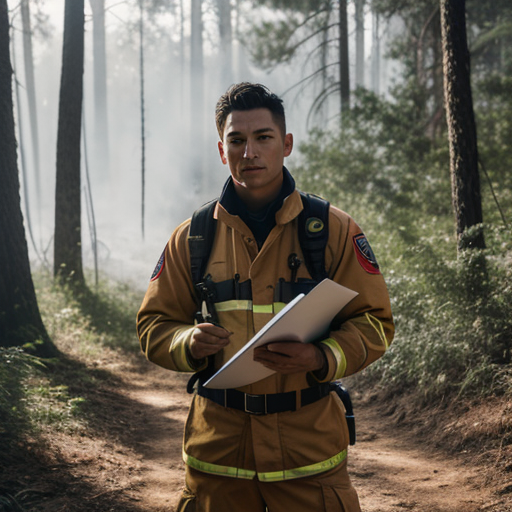
In the heart of Los Angeles lies Koreatown, a vibrant and bustling urban neighborhood known for its unique mix of residential, commercial, and cultural attractions. However, like many densely populated areas, Koreatown is not immune to the threat of wildfires. One of the key concepts in wildfire prevention and safety is the Home Ignition Zone (HIZ), an approach that focuses on the area immediately surrounding a property to reduce its vulnerability to wildland fires. Within this article, we’ll delve into the specifics of the Home Ignition Zone in Koreatown, helping homeowners understand how they can bolster their homes against the potential threat of wildfires.
Understanding the Home Ignition Zone
Coined by retired USDA Forest Service fire scientist Jack Cohen, the Home Ignition Zone refers to the area around a home that can potentially influence whether the home will ignite during a wildfire. The HIZ is typically divided into three zones: the Immediate Zone (0-5 feet around the house), the Intermediate Zone (5-30 feet), and the Extended Zone (30-100 feet).
In Koreatown, given its urban location and dense population, these zones might look very different from those in more rural or suburban areas, but the principles of the Home Ignition Zone are just as relevant.
Applying the Principles of the Home Ignition Zone in Koreatown
Considering the unique urban structure of Koreatown, homeowners can still apply these principles to reduce their homes’ risk from wildfires. In the immediate zone, objects like wooden decks, fences, or even certain types of vegetation directly touching or near the home can serve as potential points for wildfires to ignite the structure. Removing these or replacing them with non-flammable alternatives is a step that homeowners can take.
In the intermediate zone, keeping the area clean and free from flammable materials like dead leaves, pine needles, and loose bark can drastically reduce the chances of a fire spreading. Likewise, within the extended zone, maintaining the space by mowing the grass, removing dead trees, and managing vegetation can further minimize a home’s vulnerability to wildfires.
Of course, these efforts may be slightly more challenging in a busy metropolis like Koreatown. Still, key steps such as maintaining a clean yard and consulting with local fire marshals or community associations can benefit homeowners in this respect.
The Importance of Community Effort
Importantly, wildfire prevention is a community effort. In Koreatown, cooperative efforts between homeowners, landlords, tenants, and local fire safety officials are vital to reduce potential fire risks. Regularly cleaning shared spaces like yards, alleyways, and parking lots of flammable debris, combined with proactive measures like installing flame-resistant roofs and exterior fixtures, are collective actions that contribute to community safety.
Conclusion: Taking Steps Towards Safety in Koreatown
While the threat of wildfires is a reality for those living in Los Angeles and its neighborhood like Koreatown, understanding the Home Ignition Zone principles can drastically decrease the damaging potential of such disasters. Through collective effort and vigilance, residents of Koreatown can ensure that their homes and community at large are safeguarded against this risk. Ultimately, taking proactive safety measures can make a significant difference, bestowing peace of mind upon homeowners and residents, and fostering a safer, more resilient community.