Did you know that nearly 90% of wildfires in the U.S. are caused by human activity? This startling statistic underscores the urgent need for effective wildfire risk assessment techniques. Homeowners, community leaders, and environmentalists alike face the daunting challenge of protecting lives and property from devastating wildfires. In this article, we’ll explore how these assessment techniques can pinpoint high-risk areas, analyze climate and vegetation influences, and incorporate real-time monitoring to enhance preparedness. You’ll learn about proactive mitigation strategies and the importance of collaboration with private firefighting services, all aimed at fostering a safer community. As we navigate through these crucial elements, you’ll gain insights into how effective wildfire risk assessment plays a vital role in shaping robust fire protection strategies, ensuring you’re better equipped to tackle this pressing issue.
Identifying High-Risk Zones for Homeowners
How can homeowners identify high-risk zones for wildfires?
To effectively pinpoint high-risk areas for wildfires, homeowners should consider both environmental and human factors. Key elements include climate conditions, vegetation types, and the landscape’s topography.
For instance, areas with dense flammable plants like Kānuka significantly heighten wildfire risks. Additionally, human activities, such as land clearing and outdoor burning, can exacerbate this threat, making proactive measures essential.
- Evaluate local Significant Natural Areas (SNAs) and Outstanding Natural Landscapes (ONLs) for risk levels.
- Create defensible spaces around your property to minimize fire hazards.
- Implement fuel reduction strategies in your surroundings.
By understanding these risks, homeowners can make informed decisions regarding property development and insurance. Moreover, engaging in Community Wildfire Protection Plans enhances collective safety efforts and prepares residents for potential fire threats.
For more in-depth insights, refer to our guide on wildfire preparedness.
Utilizing Dynamic Risk Analysis for Accurate Assessments
Incorporating dynamic risk analysis into your wildfire assessment process significantly enhances decision-making by providing real-time updates. But how can these insights be further transformed into actionable tactics for resource allocation in the face of evolving challenges? Understanding the role of technology in wildfire management is crucial for effective mitigation. Additionally, implementing regular reviews of risk assessments ensures that strategies remain relevant and effective as conditions change.
Real-Time Risk Updates
How can organizations ensure accurate and timely wildfire risk assessments?
Organizations can enhance the precision of wildfire risk assessments by implementing dynamic risk analysis. This approach utilizes real-time data, incorporating current weather patterns and fuel moisture levels to provide timely updates.
By employing simulation models that forecast fire ignition probabilities and potential spread, decision-makers can effectively respond during critical high-risk periods.
- Utilize real-time weather data and analytics tools.
- Implement simulation models for proactive risk assessment.
- Keep stakeholders informed with constant updates.
- Incorporate AI and predictive modeling to optimize resource deployment during wildfires.
By adopting these strategies, organizations can significantly improve their emergency preparedness and resource allocation.
For further insights on optimizing wildfire management, see our guide on advanced risk assessment techniques.
Proactive Mitigation Strategies
How can organizations effectively mitigate wildfire risks?
To effectively mitigate wildfire risks, organizations should adopt proactive strategies that utilize dynamic risk analysis for accurate assessments. By leveraging real-time data on wildfire exposure, organizations can significantly minimize the likelihood of utility-caused ignitions. This involves integrating current weather conditions and fuel moisture levels to better predict ignition potential.
- Forecast high-risk periods to implement targeted preventive measures, such as controlled burns.
- Use simulation models to predict wildfire spread and impacts for timely responses.
- Maintain an updated understanding of wildfire threats to ensure community safety.
This proactive approach not only prioritizes effective wildfire safety measures but also reassures stakeholders of a commitment to swift action.
For further insights, check out our guide on emergency preparedness strategies.
Enhanced Decision-Making Tools
How can enhanced decision-making tools improve wildfire risk management?
Enhanced decision-making tools transform wildfire risk management through dynamic risk analysis, which utilizes real-time data to create a comprehensive map of wildfire threats.
By integrating current weather conditions and fuel moisture levels, these tools provide accurate forecasts of impending wildfire risks. This proactive approach allows for informed planning, enabling stakeholders to act swiftly during high-risk periods.
- Utilize real-time data for effective decision-making.
- Allocate resources efficiently to improve emergency preparedness.
- Foster communication with stakeholders for better collaboration.
These advancements are crucial for enhancing wildfire management strategies.
For further insights on implementing these tools, refer to our guide on effective wildfire mitigation techniques.
Integrating Climate and Vegetation Factors in Risk Models
How does integrating climate and vegetation factors improve wildfire risk models?
Integrating climate and vegetation factors into wildfire risk models significantly boosts their accuracy. By analyzing temperature, humidity, and precipitation patterns, predictions of wildfire occurrences can be refined.
Additionally, recognizing vegetation types, particularly flammable species like Kānuka, is crucial as they influence both ignition likelihood and fire behavior.
Identifying flammable vegetation like Kānuka is key to understanding ignition risks and fire dynamics.
- Utilize real-time data on fuel moisture influenced by climatic conditions.
- Implement dynamic risk models for updated threat assessments.
- Employ advanced techniques like deep neural networks for better predictive accuracy.
This enhanced understanding aids in pinpointing high-risk areas, facilitating proactive community preparedness initiatives.
For a deeper exploration, check out our guide on effective wildfire mitigation strategies.
Leveraging Advanced Technology for Real-Time Monitoring
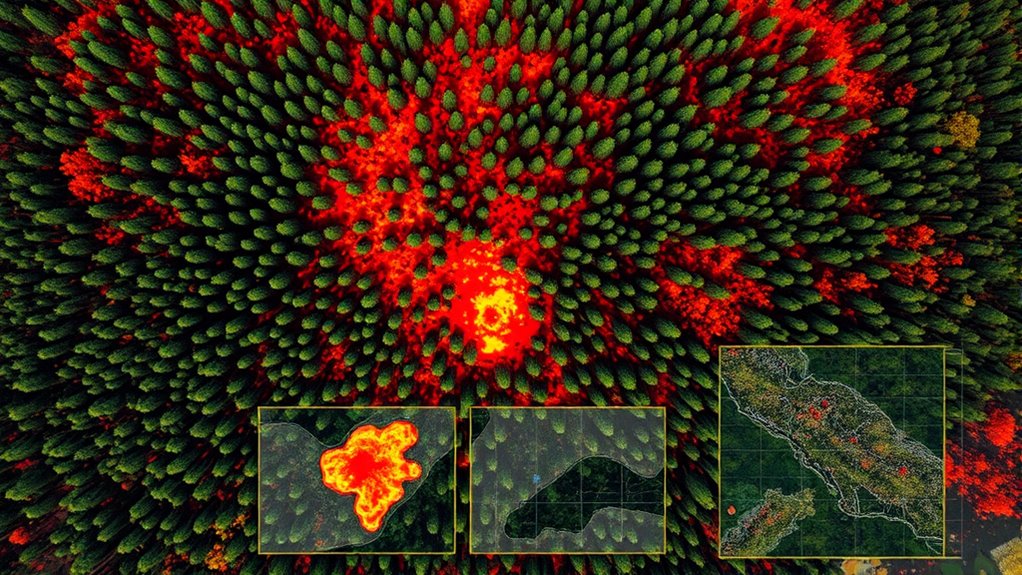
How can technology enhance real-time wildfire monitoring?
Advanced technology significantly improves real-time wildfire monitoring by providing precise data and actionable insights. By employing deep learning frameworks and predictive models, you can achieve high accuracy in forecasting wildfire risks, enabling better preparedness.
- Utilize geospatial databases to enhance predictions about fire causes and size.
- Incorporate dynamic risk analysis with real-time weather and fuel moisture data.
- Implement simulation models to evaluate ignition likelihood and spread potential.
These strategies empower decision-makers to act promptly on evolving threats.
For further insights on wildfire management techniques, refer to our guide on effective risk reduction strategies.
Implementing Proactive Mitigation Measures
How can communities effectively reduce wildfire risks?
Implementing proactive mitigation measures is essential for communities aiming to lessen the devastating impacts of wildfires. Strategies such as targeted vegetation management and controlled burns significantly decrease the likelihood of ignitions and help contain fires during peak risk periods.
Proactive mitigation, through vegetation management and controlled burns, reduces wildfire risks and enhances safety during high-risk periods.
Additionally, enforcing fire-resistant building standards and creating defensible spaces around homes are crucial for protecting structures.
- Engage local residents through educational programs on wildfire prevention.
- Conduct dynamic risk analysis to predict potential wildfire threats effectively.
- Plan financially for insurance adjustments and potential wildfire damage.
These steps enhance community resilience against wildfires. For further insights on creating defensible spaces, check out our comprehensive guide on wildfire preparedness.
Enhancing Community Education and Preparedness
Enhancing community education and preparedness is vital for fostering resilience against wildfire threats.
How can local residents further engage with these initiatives to ensure their safety?
Exploring additional resources and strategies can provide insights into effective risk management and community collaboration.
Community Wildfire Awareness Programs
Why are community wildfire awareness programs important?
Community wildfire awareness programs play a crucial role in educating residents about local wildfire risks and effective mitigation strategies. These initiatives empower individuals by providing them with the knowledge and skills necessary to enhance both personal and community safety during wildfire events.
By participating, you gain:
- Insight into fire behavior and risk factors specific to your area.
- Hands-on training through fire drills and safety exercises.
- Collaboration opportunities with local officials, fostering a united community approach to wildfire preparedness.
Engaging in these programs significantly reduces potential losses during wildfires.
For more information on effective wildfire preparedness, see our guide on creating defensible spaces around properties.
Engaging Safety Workshops
How do engaging safety workshops enhance wildfire preparedness?
Engaging safety workshops play a vital role in community education about wildfire risks. By attending these sessions, participants learn essential strategies for identifying potential threats and implementing proactive safety measures tailored to their specific environments.
Workshops emphasize community involvement, fostering a resilient mindset among residents.
These interactive training sessions often include simulations and hands-on activities, equipping attendees with practical emergency response skills. Participants also receive valuable resources, such as fire safety checklists and vegetation management guides, enabling them to take actionable steps to mitigate wildfire risks.
For more insights on preparing for wildfires, check out our guide on emergency response planning.
Risk Communication Strategies
How can communities enhance wildfire preparedness through risk communication?
Communities can significantly improve their wildfire preparedness by implementing effective risk communication strategies.
By engaging in real-time informational campaigns, residents can stay aware of seasonal fire hazards and adjust their safety measures accordingly. Participation in discussions regarding personal safety, such as creating defensible spaces and emergency plans, is crucial.
- Stay updated on local fire risks with regular alerts.
- Understand specific vulnerabilities through targeted risk assessments.
- Familiarize yourself with evacuation routes and emergency contacts.
These proactive measures ensure that individuals are well-informed to mitigate wildfire threats.
For further insights on community engagement, see our guide on effective safety workshops.
Collaborating With Private Firefighting Services for Optimal Protection
How can collaborating with private firefighting services enhance wildfire protection?
Partnering with private firefighting services significantly boosts community wildfire protection. These collaborations ensure swift response times and effective resource management in high-risk areas, essential during fire emergencies.
Private services offer specialized skills and advanced equipment, creating tailored firefighting plans based on unique environmental factors.
- Leverage cutting-edge technology for risk assessment.
- Develop targeted mitigation strategies to prevent catastrophic fires.
- Enhance training programs to cultivate a culture of preparedness.
Engaging private resources not only improves safety but also optimizes insurance costs for homeowners, underscoring a commitment to effective fire management.
To learn more about strategic wildfire prevention, check out our guide on best practices for community safety.
Conclusion
In summary, leveraging effective wildfire risk assessment techniques is crucial for safeguarding both your home and community. By implementing these strategies, you not only enhance your preparedness against fire threats but also foster a safer environment for everyone. Utilizing advanced monitoring technology and fostering community education significantly contributes to fire prevention efforts. Additionally, collaborating with private firefighting services provides an extra layer of protection. To stay informed and further improve your wildfire safety measures, consider exploring more tips or reading related guides on this critical topic. Taking proactive steps today can make all the difference in your wildfire safety journey.