In a city where wildfires pose an ever-growing threat, understanding the top fire mitigation strategies for Los Angeles is crucial for residents and local authorities alike. Did you know that nearly 90% of wildfires are caused by human activity? This startling statistic highlights the urgent need for effective prevention measures. The article aims to equip homeowners, community leaders, and fire safety advocates with practical solutions to address the increasing risk of wildfires. By exploring essential methods such as maintaining firebreaks, establishing defensible spaces, and collaborating with local fire agencies, this guide tackles the core challenges of fire safety and community resilience. Additionally, we’ll delve into the importance of using native, fire-resistant plants, strengthening building codes, and engaging in educational outreach. Join us as we uncover strategies that not only protect properties but also foster a safer environment for everyone in Los Angeles. Your proactive approach can make a significant difference in fire mitigation efforts.
Enhancing Community Resilience Through Land Management

How can effective land management enhance community resilience against wildfires?
Effective land management is crucial for enhancing community resilience to wildfires in Los Angeles. Strategies such as maintaining firebreaks and creating defensible spaces around properties significantly reduce fuel buildup, minimizing fire risks.
Maintaining firebreaks and defensible spaces is key to reducing wildfire fuel and risks.
Engaging community volunteers in vegetation management and public land clearing initiatives can further decrease combustible materials.
- Promote fire-resistant landscaping using native, drought-tolerant plants.
- Collaborate with local fire agencies to develop comprehensive land management plans.
- Encourage community involvement in wildfire preparedness efforts.
These collective actions foster a proactive approach to wildfire threats. Additionally, implementing Community Wildfire Protection Plans can enhance collective safety efforts. For more insights on enhancing community preparedness, check out our guide on emergency response strategies.
Implementing Controlled Burns and Indigenous Practices
Integrating Indigenous land management practices, such as controlled burns, can significantly enhance fire mitigation efforts in Los Angeles. How can these traditional techniques not only reduce wildfire risks but also foster biodiversity and create sustainable ecosystems? Exploring the intersection of cultural burning and modern fire management could lead to innovative solutions. Additionally, the effective use of prescribed burning can help reduce fuel loads and prevent larger wildfires in urban areas.
Embracing Traditional Fire Knowledge
How can traditional fire knowledge help mitigate wildfires in Los Angeles?
Utilizing traditional fire knowledge, especially through controlled burns, can significantly lower wildfire risks in Los Angeles. Indigenous groups have practiced these techniques for centuries, effectively reducing fuel buildup and enhancing ecological health.
By creating diverse habitats, controlled burns can cut wildfire severity by up to 50%, making them crucial as climate change exacerbates fire threats. Furthermore, ground-based strategies emphasize the need for proactive measures that align with these traditional practices.
- Collaborate with Indigenous communities for effective land management.
- Implement regular controlled burns to maintain healthy ecosystems.
- Educate local residents about the benefits of cultural burning practices.
Embracing these methods not only protects the environment but also fosters a deeper connection to ancestral lands.
For more insights on fire management strategies, refer to our guide on sustainable land practices.
Benefits of Prescribed Burning
How does prescribed burning effectively reduce wildfire risks?
Prescribed burning serves as a crucial fire management strategy, significantly mitigating wildfire risks by managing vegetation buildup. Controlled burns decrease the accumulation of flammable materials, leading to up to 75% less fire severity in treated areas compared to untreated ones.
This proactive approach not only curbs extreme fire behavior but also enhances biodiversity and supports ecosystem health.
- Reduces hazardous fuel loads
- Promotes healthy forests
- Increases carbon sequestration
By incorporating prescribed burning into fire management plans, California can bolster community safety and ecological resilience.
To explore more about fire management strategies, see our guide on sustainable forestry practices.
Investing in Fire-Resistant Infrastructure
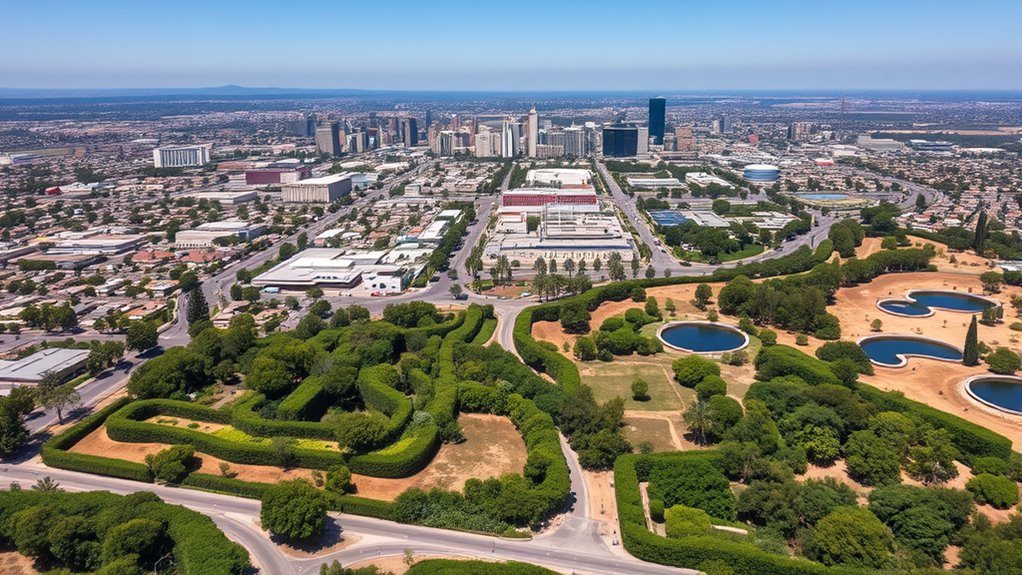
How can investing in fire-resistant infrastructure protect homes in Los Angeles?
Investing in fire-resistant infrastructure is essential for minimizing wildfire risks in Los Angeles. By incorporating non-combustible materials—such as metal or clay for roofs and siding—you can significantly decrease the likelihood of ignition during wildfires.
Incorporate non-combustible materials to minimize wildfire risks in Los Angeles.
Additionally, creating defensible spaces through fire-resistant landscaping, which involves using low-flammability plants and ensuring proper spacing, can further protect your property.
- Consider burying power lines in high-risk areas to reduce ignition sources.
- Utilize fire-retardant coatings on structures for added protection.
- Maintain a clear buffer zone by regularly trimming vegetation near your home.
These strategies not only enhance resilience against fires but also bolster community safety.
For more tips on safeguarding your property, check out our guide on fire-resistant design.
Strengthening Building Codes and Creating Defensible Spaces
How can homeowners strengthen their properties against wildfires?
To effectively fortify homes against wildfires, it’s crucial to implement stringent building codes and develop defensible spaces.
Using fire-resistant materials for roofs, siding, and decks enhances a home’s resilience. Additionally, establishing a defensible space entails maintaining a 200-foot buffer around the property to create a fire-safe zone.
- Zone 0 (0-5 feet): Use ember-resistant landscaping, such as gravel instead of mulch.
- Zone 1 (5-30 feet): Clear away dead vegetation and ensure a 10-foot gap between tree branches and chimneys.
- Zone 2 (30-100 feet): Focus on fuel reduction through regular pruning and appropriate plant spacing.
For more detailed strategies on creating defensible spaces, refer to our comprehensive guide on wildfire preparedness.
Conducting Community Education and Awareness Programs
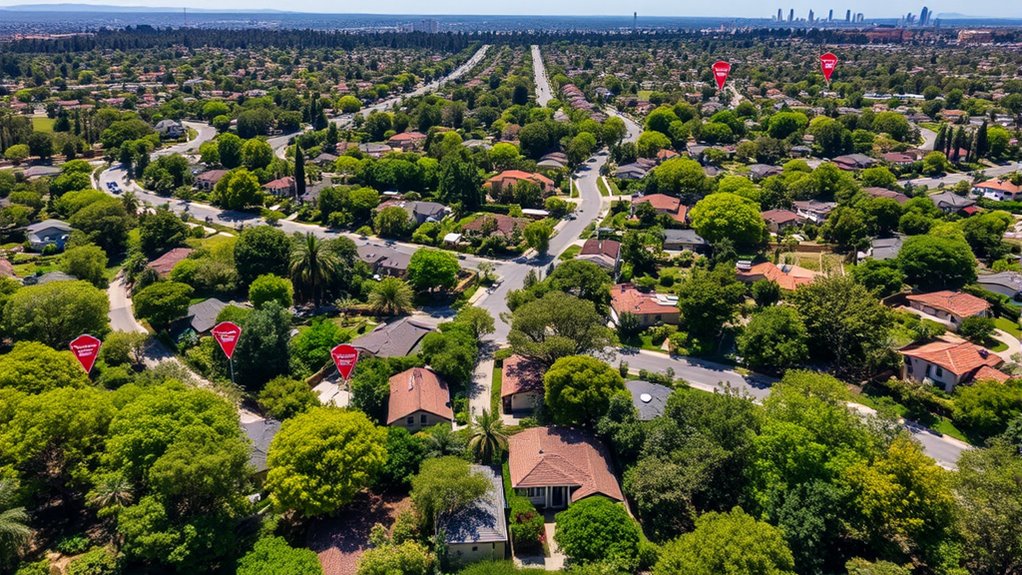
Engaging local fire agencies in Los Angeles enhances wildfire safety practices through community workshops, but what specific strategies can you implement to maximize your home’s protection against fires?
Discover how creating defensible spaces and employing home hardening techniques can empower you to safeguard your property effectively.
Engaging Local Fire Agencies
How are local fire agencies educating communities about wildfire safety?
Local fire agencies are vital in equipping residents with essential wildfire preparedness skills. They achieve this through various educational initiatives that emphasize prevention strategies and effective fire management techniques.
- Workshops and Informational Sessions: These sessions focus on creating defensible spaces and enhancing home resilience against wildfires.
- Community Collaborations: By partnering with schools and organizations, fire agencies disseminate fire safety information to a broader audience, instilling awareness from a young age.
- Feedback Mechanisms: Agencies actively seek community input to adapt their programs, ensuring they remain relevant to the changing wildfire landscape.
To further enhance your understanding of wildfire safety, consider exploring our guide on effective home hardening techniques.
Promoting Wildfire Safety Practices
How can communities enhance wildfire safety education?
Communities can significantly improve wildfire safety by implementing comprehensive education and awareness programs. By equipping residents with essential knowledge and skills, they become more proactive in protecting their homes.
Engaging local fire agencies in these initiatives increases the effectiveness of disseminating critical fire protection information, often resulting in quicker community response times.
- Host workshops that teach residents how to create defensible space around their properties.
- Utilize social media campaigns to reach a wider audience and encourage participation.
- Organize regular community forums to gather feedback and improve preparedness plans.
For further insights on developing effective wildfire safety strategies, explore our guide on community resilience.
Hosting Community Workshops
How can community workshops improve fire safety awareness?
Hosting community workshops significantly boosts residents’ comprehension of effective fire safety strategies. Participants acquire vital wildfire prevention techniques, such as establishing defensible spaces—areas around homes cleared of combustible materials.
These practical sessions provide insights like:
- Home Hardening Techniques: Learn to utilize fire-resistant materials to strengthen your property against flames.
- Engagement with Fire Experts: Connect with local fire agencies for updates on fire restrictions and emergency plans.
- Landscaping for Safety: Discover how strategic landscaping can reduce fire hazards and participate in local vegetation clearing initiatives.
Fostering Collaboration Among Local Stakeholders
How can collaboration improve wildfire mitigation in Los Angeles?
Effective wildfire mitigation in Los Angeles relies on collaboration among local stakeholders, ensuring a cohesive response to fire threats. Engaging with local fire agencies enables coordinated responses, significantly enhancing public safety.
Community involvement is crucial, as it allows residents to express concerns and contribute to safety initiatives through feedback channels.
To foster this teamwork, consider these steps:
- Conduct regular meetings with emergency response teams to maintain open communication.
- Partner with local organizations for educational programs that raise fire safety awareness.
- Continuously assess wildfire risks to adapt strategies and best practices.
These collaborative efforts ensure a proactive stance in managing fire risks. For further insights, check out our guide on community engagement strategies in disaster preparedness.
Prioritizing Sustainable Practices and Climate Adaptation Measures
How can collaboration among local stakeholders enhance wildfire mitigation?
Collaboration among local stakeholders is crucial for effective wildfire mitigation. By integrating sustainable practices and climate adaptation strategies, communities can significantly lower wildfire risks in Los Angeles. This includes utilizing fire-resistant materials to bolster homes against flames and implementing climate adaptation measures like maintaining firebreaks and conducting controlled burns to manage fuel loads.
Collaboration among stakeholders is essential for reducing wildfire risks through sustainable practices and climate adaptation.
- Engage in community education on wildfire prevention.
- Invest in advanced technologies for early detection and response.
- Promote smart irrigation systems to conserve water.
Conclusion
To effectively safeguard Los Angeles from the threat of wildfires, embracing a multifaceted approach is essential. Implementing these fire mitigation strategies not only protects lives and property but also enhances community resilience. By focusing on land management, fire-resistant infrastructure, and education, residents can significantly lower their risk of fire damage. This comprehensive strategy promotes sustainable living and climate adaptation, benefiting everyone in the area. For more insights and tips on fire safety, consider exploring additional resources or guides to take proactive steps toward a safer environment.