You should review CAL FIRE’s 2025 Fire Hazard Severity Zone maps to see whether your properties now fall into Moderate, High, or Very High risk areas. These updates can change building code triggers, vegetation rules, and defensible-space requirements, especially for sites near rural or suburban edges. Check parcel boundaries in the map viewer, monitor local adoption hearings, and update fire-safety plans, because the next steps can affect compliance and property operations in ways you’ll want to understand further.
What Changed in the Fire Hazard Severity Zone Maps?
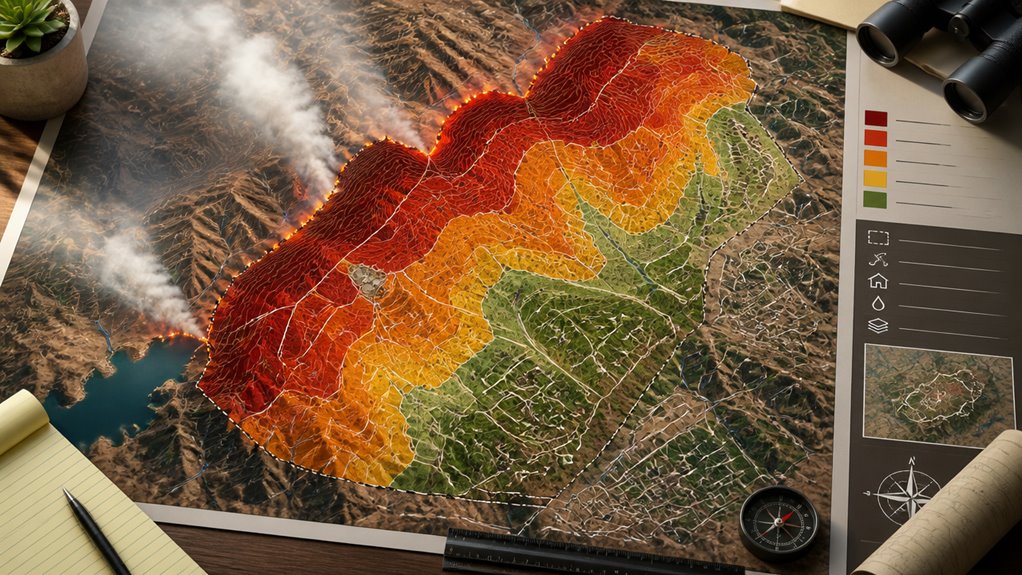
The 2025 Fire Hazard Severity Zone maps now classify land into Moderate, High, and Very High risk areas, and that update changes how property managers and owners need to plan for fire safety. These updated maps use fire history, fuel types, and terrain to set new hazard classifications. You’ll see expanded Moderate and High zones, especially along rural and suburban edges, so you should review your parcel against the Fire Hazard Severity Zones now. Because local agencies must adopt the maps by ordinance, you may face updated rules for vegetation management and building standards. The science-based ratings also guide new mitigation requirements in higher risk areas. If your property moves into a higher category, you should expect closer scrutiny, possible insurance changes, and a need to adjust your planning. Wildland-urban interface homes face faster-spreading wildfires and more limited firefighting access, making timely mitigation reviews especially important.
Which Properties Are Now in Higher-Risk Zones?
More properties in Southern California, including many in Los Angeles, now fall into higher-risk Fire Hazard Severity Zones under the 2025 maps. If you manage one of these parcels, you may see your site move from Moderate into High Fire Hazard Severity or Very High status because of greater wildfire potential, fire history, and fuel types nearby. The updated Hazard Severity Zone designations can also affect adjacent lots, especially where terrain and vegetation increase exposure. As property managers, you’ll need to treat these changes seriously, because building codes and vegetation rules can tighten when a parcel lands in a higher category. Local agencies can’t lower CAL FIRE’s recommendation, so new classifications stick. The Los Angeles Fire Department expects many more parcels to be affected, making prompt attention essential. Consider scheduling a WUI risk assessment to identify vulnerabilities and prioritize defensible space and ember-entry mitigation actions.
How to Review the New Maps
To review the new Fire Hazard Severity Zone maps, start with CAL FIRE’s February 2025 release and locate your parcel on the updated Moderate, High, or Very High classifications.
Use the Fire Hazard Severity Zone viewer, then compare your site boundaries with the map layers.
- Check whether your parcel now sits in a higher-risk area.
- Note any building standards or vegetation management updates tied to that classification.
- Save CAL FIRE guidance and plan property safety improvements that fit your site.
Review the maps regularly, because local conditions and planning decisions can change.
If your property appears in a High or Very High zone, use CAL FIRE resources to confirm next steps and prepare for any needed adjustments.
Also consider how defensible space requirements apply to your parcel as you plan safety improvements.
How Fire Hazard Severity Zone Changes Affect Compliance
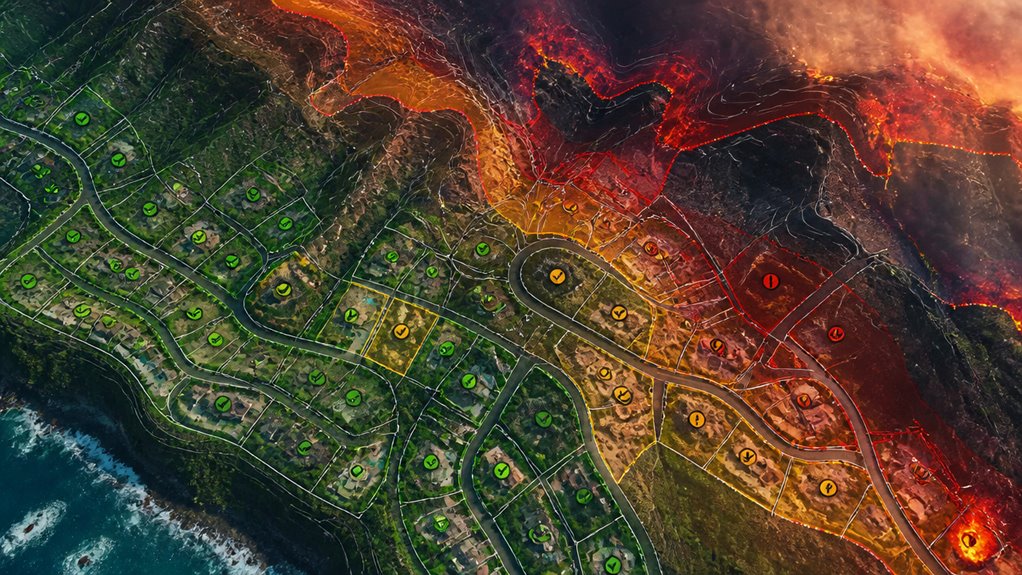
When your property moves into a higher fire hazard zone, you’ll need to meet the updated building code triggers tied to that new classification.
You may also have to adjust landscaping, fire-resistant features, and other compliance steps to match the stricter rules for High and Very High zones.
Because local ordinances can’t lower CAL FIRE’s hazard level, you should expect possible cost increases and operational changes.
Updated Zone Classifications
The newly released 2025 Fire Hazard Severity Zone maps now place properties into Moderate, High, or Very High categories, and that classification can directly change what you need to do to stay compliant.
For property managers, the Fire Hazard Severity map isn’t just a label; it shapes compliance requirements, vegetation management, and day-to-day planning.
- If your site moves into a higher Hazard Severity Zone, you should review local rules right away.
- You can’t count on local agencies to lower the State’s rating, so your obligations may increase.
- You should also watch public hearings, since they give you a chance to understand the impact on your property and prepare for insurance or valuation changes.
Building Code Triggers
Fire hazard zone changes can trigger new building code requirements, especially for properties in High and Very High zones.
When your Fire Hazard Severity rating shifts, you should check whether your building code now calls for updated fire-resistant construction, stronger roof or wall assemblies, or safer openings.
In 2025 maps, Zone Zero may also require ember-resistant materials within the first 5 feet around structures, so review decks, vents, and similar details.
You’ll also need to watch vegetation management rules, since higher hazard designations often increase fuel-reduction expectations.
Local jurisdictions must align their codes with state classifications, but they can still add compliance details you need to verify.
If you delay, you could face penalties, insurance problems, and lower property value.
Local Ordinance Changes
As local officials update Fire Hazard Severity Zone maps, you’ll need to watch for ordinance changes that can tighten compliance requirements in your area.
Property managers should review each Fire Hazard Severity Zone designation and compare it with city rules, because local ordinance changes can add stricter vegetation management, defensible space, and building code duties.
- Check whether your sites moved into High or Very High zones.
- Attend public hearings and note any adopted revisions.
- Update budgets for inspections, upgrades, insurance, and valuations.
In Los Angeles, the city must adopt the revised maps by ordinance, and other agencies may follow.
Staying current helps you meet compliance requirements and reduces wildfire exposure.
What Fire-Safety Standards Need Updating?
Which fire-safety standards need updating now? You should review every Fire Hazard Severity Zone classification affecting your properties, especially the expanded Moderate and High-risk areas taking effect in 2025.
In High Fire Hazard Severity Zone locations, you’ll need a 5-foot ember-resistant zone around structures to cut ignition risk. You should also align building codes with non-combustible materials and fire-resistant construction practices, since those updates improve survivability during wildfires.
Revise vegetation management plans so they reduce flammable growth near buildings and keep access routes clear for emergency crews. These fire-safety standards aren’t optional, so you should compare current procedures with CAL FIRE requirements and local rules.
Staying current helps you protect assets, support compliance, and respond to changing state mandates without delay.
How to Prepare for Local Adoption Hearings
You should review the proposed CAL FIRE map changes carefully so you can see whether your property shifts into a Moderate, High, or Very High fire hazard zone.
Gather comments from residents, staff, and local partners, then prepare your own written response with compliance data, building details, and fire-safety concerns.
When the public hearing starts, attend and speak up so local officials hear how the new designation may affect your property and required safety measures.
Review Proposed Map Changes
Before local hearings begin, property managers should review the 2025 Recommended Fire Hazard Severity Zone maps to see how their parcels are classified as Moderate, High, or Very High based on wildfire potential.
These Fire Hazard Severity updates can affect building standards and vegetation rules. CAL FIRE’s recommendations set the baseline, and local agencies can’t lower them, so you need to check each parcel carefully during public review.
- Compare your parcels with the Hazard Severity Zone maps and note boundary shifts.
- Confirm whether any proposed changes may increase your compliance duties.
- Track the hearing schedule so you can prepare for adoption decisions and understand next steps.
Staying informed helps you respond quickly, protect your properties, and plan for the new requirements.
Gather Public Comment
Once you’ve reviewed the proposed map changes, the next step is to gather public comment and prepare for the local adoption hearings. These hearings let you give and receive public input on the Fire Hazard Severity Zone map before officials finalize it.
As property managers, you should track hearing notices, review updated classifications, and note any compliance requirements that could affect land use, insurance, or maintenance plans. Attend the meetings, ask clear questions, and listen for changes in building codes or vegetation standards.
You can also speak with local fire officials and join outreach programs to strengthen wildfire preparedness across your properties. Timely participation helps you understand the proposed rules, document concerns, and support practical safety decisions for residents and owners.
Helpful Fire Hazard Severity Zone Resources
As CAL FIRE prepares to release its 2025 Recommended Fire Hazard Severity Zone maps, property managers should use the available resources to understand how Moderate, High, and Very High designations may affect local building rules, vegetation management, and long-term property planning.
Review the Fire Hazard Severity Hazard Severity Zone Map early, so you can adjust home hardening plans and strategies to reduce wildfire risk before requirements change under CAL FIRE Fire Hazard guidance.
- Request a free Wildfire Safety Home Assessment to identify weak points around structures.
- Use Brush Chipping Services to remove excess fuel and support defensible space.
- Maintain a 5-foot ember-resistant Zone Zero, because it can improve building survival during wildfire exposure.
Stay alert during the February 2025 public review period, since local agencies can raise, but not lower, proposed hazard levels.
Frequently Asked Questions
How Do Zone Changes Affect Property Insurance Premiums?
Zone changes can raise or lower your property insurance premiums because insurers adjust for higher or lower wildfire exposure.
You’ll see insurance cost implications tied to premium adjustment factors, so review your risk assessment strategies and coverage options review carefully.
Higher-risk zones may also increase liability considerations, while lower-risk areas can improve pricing.
You should compare policies, strengthen fire protection systems, and document safety measures to support better terms.
Will the New Maps Impact Property Valuations?
Yes, the new maps can affect property valuations.
You may see shifts in market trends, because buyers often adjust offers after reviewing risk assessment data. Appraisers can also change valuation methods when fire exposure rises.
Strong buyer perceptions of danger may lower demand, while better fire protection systems and safety measures can support value.
Your investment strategies should account for these changes, especially if local regulations or insurance costs also rise.
What Water-Access Improvements Are Required for Compliance?
Water access improvements usually mean a reliable water supply, clear access routes for fire crews, and properly marked hydrants or standpipes.
You’ll also need vegetation management around water points, plus emergency planning that confirms flow, pressure, and backup sources.
In some sites, infrastructure upgrades, like larger pipes or storage tanks, may be required.
Think of these measures as a firebreak, quietly protecting your property before smoke ever appears.
How Can Managers Communicate Risks to Tenants and Owners?
You can communicate risks to tenants and owners by using risk awareness strategies, tenant education programs, owner communication channels, emergency preparedness plans, and community engagement initiatives.
Share clear notices, hold briefings, and post updates that explain fire hazards, required actions, and evacuation steps. Use email, portals, and meetings to keep messages consistent.
You should also document concerns, confirm receipt, and review plans often so everyone understands their role and responsibilities.
Are There Deadlines for Updating Fire Mitigation Plans?
Yes, deadlines usually apply, and they can hit like a freight train if you miss them.
You should review local rules, then update fire mitigation strategies, risk assessment protocols, and compliance timeline considerations right away.
You can also use community engagement initiatives to inform occupants, and funding opportunities exploration may help cover costs.
Check municipal and state notices, because requirements often vary by location and can change with little warning.
Wrapping It Up
As you review the new Fire Hazard Severity Zone maps, remember that small changes on paper can signal major compliance needs on site. You’ll need to verify property classifications, update fire-safety plans, and prepare for local hearings with the same care a captain gives a ship before a storm. By acting now, you can reduce risk, protect occupants, and stay aligned with current standards. In fire safety, foresight isn’t optional—it’s your best defense.