As wildfires become increasingly devastating, the need for effective management and protection has never been more critical. Private firefighting is emerging as a vital solution, enhancing protection and planning for homeowners and businesses in fire-prone areas. This article delves into how these specialized services utilize innovative techniques like fire retardant gels and high-pressure hoses, providing targeted protection against the escalating threat of wildfires. We’ll explore the collaboration between private companies and public departments, ensuring robust emergency responses, while also addressing the ethical challenges posed by disparities in access to these services. By understanding the intersection of private initiatives, risk management strategies, and community safety, readers will gain valuable insights into how private firefighting is reshaping the landscape of wildfire management. Whether you’re a property owner seeking proactive measures or a stakeholder interested in fire safety, this exploration will equip you with essential knowledge to navigate the complexities of wildfire protection.
Demand for Private Firefighting Amidst Growing Wildfire Risks
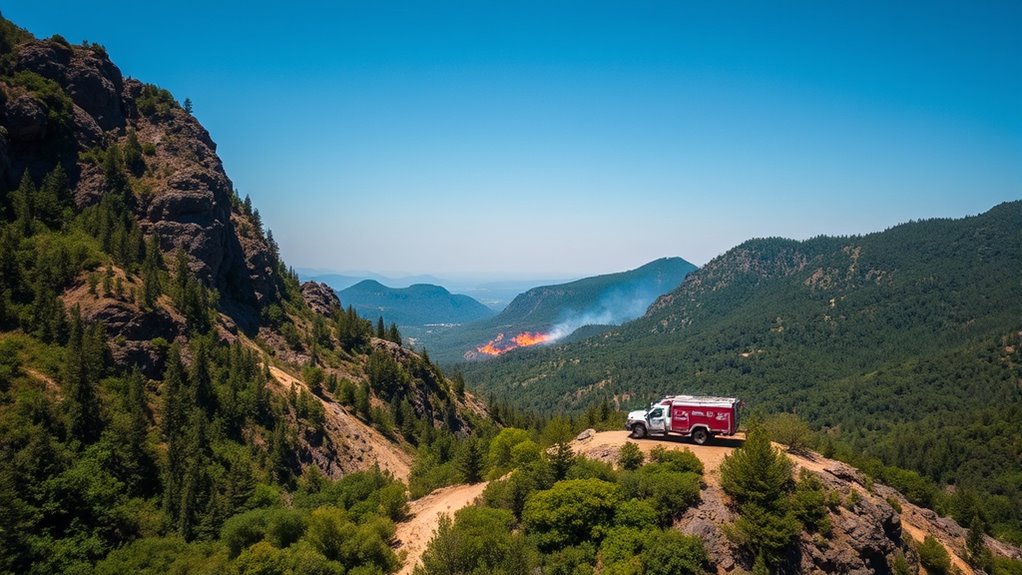
How is the demand for private firefighting services evolving?
The increasing frequency and intensity of wildfires have led to a significant rise in the demand for private firefighting services. With climate change intensifying these threats, homeowners, especially those with high-value properties, are turning to private crews for effective property protection.
Homeowners are increasingly relying on private firefighting services to combat the growing threat of wildfires.
Public firefighting departments often lack the resources to respond adequately, making private services an appealing alternative.
- Homeowners are integrating private firefighting into insurance policies to minimize potential losses.
- In 2023, private crews responded to over 2,000 homes facing active threats, underlining their importance in wildfire prevention.
- Companies like Wildfire Defense Systems report a 99% success rate in safeguarding homes, showcasing the effectiveness of immediate intervention.
As this trend continues, it’s crucial to understand the implications for property owners and communities. The rising demand is partly driven by urban expansion into wildland areas, further increasing the risk of wildfires.
For further insights, see our guide on wildfire preparedness strategies.
Advanced Techniques and Equipment Used by Private Crews
Private firefighting crews utilize cutting-edge techniques and equipment to combat wildfires effectively, but what other innovative strategies do they employ to enhance their protection efforts?
Discover how advanced monitoring systems play a crucial role in safeguarding properties against fire threats while ensuring rapid response times. Additionally, the implementation of customized fire safety plans helps to address specific risks and improve overall safety measures.
Fire Retardant Gel Application
How do fire retardant gels protect properties from wildfires?
Fire retardant gels offer a crucial line of defense for properties at risk from wildfires.
By creating a protective barrier on structures, these specially formulated substances enhance flammability resistance.
Applying the gels proactively, before a fire threat arises, solidifies property defenses and contributes significantly to wildfire mitigation strategies.
- Monitor fire behavior regularly.
- Apply gels in optimal conditions for maximum effectiveness.
- Combine gel application with other protective measures, like defensible spaces.
Understanding and utilizing fire retardant gels can significantly enhance your property’s resilience against wildfires. Moreover, employing defensible space techniques in conjunction with gel application can further improve safety and reduce fire risks.
To learn more about comprehensive wildfire defense strategies, see our guide on creating defensible spaces.
High-Pressure Hose Deployment
How do high-pressure hoses aid in wildfire suppression?
High-pressure hoses are essential for private firefighting crews, delivering over 1,000 gallons of water per minute to combat wildfires effectively.
These hoses, equipped with adjustable nozzles, allow for tailored spray patterns to tackle different fire intensities, enhancing fire suppression efficiency.
- Deploy hoses strategically to target the most intense flames.
- Combine hose deployment with fire retardant gels for added protection.
- Ensure continual monitoring to respond promptly to changing fire conditions.
By coordinating these techniques with other firefighting strategies, such as creating defensible spaces, you can significantly reduce fire damage.
For more insights on wildfire preparedness, check out our guide on effective fire prevention methods.
24/7 Monitoring Systems
How do advanced monitoring systems enhance wildfire management?
Advanced monitoring systems are crucial for private firefighting crews, providing them with essential tools for efficient wildfire management. By utilizing high-tech resources like drones and satellite imagery, these teams can effectively assess fire behavior and identify potential threats before they escalate.
Real-time communication ensures that private crews can coordinate their responses swiftly during emergencies.
- Continuous monitoring: 24/7 vigilance over fire-prone areas allows for rapid action.
- Thermal imaging cameras: Detect hotspots and evaluate fire risks effectively.
By harnessing these advanced technologies, private firefighting teams significantly improve their capabilities in protecting properties from wildfires.
For more insights on enhancing emergency response strategies, see our guide on effective disaster management techniques.
Role of Insurance Companies in Private Firefighting Services
How are insurance companies adapting to wildfire risks?
As wildfires increase in frequency and intensity, insurers are adapting by incorporating private firefighting services into their strategies. This approach allows them to safeguard assets and mitigate financial losses effectively.
By including these services in homeowners insurance policies, both high-end and mainstream insurers acknowledge the cost-efficiency of private firefighting as a risk management tool.
Both luxury and standard insurers recognize private firefighting as a cost-effective risk management strategy.
- Insurers emphasize preventive measures to enhance wildfire protection.
- Home hardening initiatives, led by private firefighters, are becoming integral to risk management.
- Clients often enjoy these services at no additional cost, as they’re included in insurance premiums.
For more insights into wildfire defense strategies, see our guide on effective home hardening techniques.
Ethical and Social Implications of Exclusive Fire Protection

How does exclusive fire protection impact community safety?
The rise of private firefighting services raises concerns about community safety. Wealthy homeowners often access tailored fire protection, while less affluent neighborhoods rely solely on public departments, creating a disparity in safety measures.
This exclusivity can strain resources, as public fire services may divert attention and funding to meet the demands of private clients.
- Wealthy individuals receive personalized firefighting services.
- Public departments struggle to maintain adequate resources.
- Insurance policies can prioritize wealth over risk assessment.
To ensure equitable wildfire management, we must address these ethical dilemmas and advocate for comprehensive protection for all communities.
For further insights, see our guide on equitable fire safety solutions.
Collaboration Between Private and Public Fire Services
Effective coordination between private and public fire services is crucial for emergency response.
How can these partnerships be optimized to ensure safety and efficiency during crises?
Exploring joint training initiatives and resource sharing will reveal the potential benefits for all parties involved.
Coordination During Emergencies
How can effective coordination enhance firefighting efforts?
Effective coordination between private and public firefighting services is essential for a successful emergency response. By ensuring that private crews communicate clearly with public fire departments and adhere to safety protocols, the chances of smooth emergency evacuations and improved wildfire management increase significantly.
California law encourages private firefighters to check in with local incident commanders, promoting organized efforts and reducing confusion on the ground.
- Align on communication methods.
- Follow established safety protocols.
- Collaborate to manage resources efficiently.
Addressing challenges such as restricted communication and unauthorized access can further enhance coordination.
For more insights into emergency response strategies, see our guide on optimizing communication during crises.
Resource Sharing Dynamics
How do private fire services collaborate with public departments during wildfires?
Collaboration between private and public fire services significantly enhances firefighting efforts, especially during large-scale emergencies like wildfires. In California, private firefighting crews coordinate with local incident commanders, ensuring effective resource sharing and a unified response.
This partnership is vital when public resources are stretched thin, as private teams provide essential support.
- Private firefighters must check in to receive authorization to enter evacuation zones.
- Insurance companies integrate private services into homeowner policies to enhance fire protection.
- Clear regulatory frameworks dictate operational boundaries and communication protocols.
This ongoing collaboration highlights the need for continuous evaluation of effectiveness in wildfire defense systems.
For more insights on resource sharing dynamics, check out our guide on emergency response strategies.
Joint Training Initiatives
How can joint training initiatives enhance wildfire response capabilities?
Joint training initiatives between private and public firefighting services significantly improve wildfire response effectiveness. By conducting scenario-based drills, firefighters practice in realistic conditions, enhancing their emergency response strategies and fostering teamwork.
This collaboration ensures that both sectors are familiar with public safety protocols and incident command structures, which is crucial for seamless integration during actual wildfire events.
- Simulated drills: Provide hands-on experience in managing wildfires.
- Resource sharing: Optimizes firefighting techniques and strategies.
- Community trust: Strengthens preparedness and response coordination.
These initiatives not only enhance individual capabilities but also bolster community safety. For further insights on effective collaboration, see our guide on emergency preparedness strategies.
Policy Considerations for Equitable Fire Protection
How does the rise of private firefighting services impact equitable fire protection?
The emergence of private firefighting services underscores significant disparities in fire protection access. Wealthier homeowners can afford these tailored services, while lower-income communities often rely on overburdened public fire departments.
This inequity calls for urgent policy reforms to ensure fair safety management and equitable access to fire protection for all.
To address these challenges, consider the following steps:
- Implement policies that integrate private and public firefighting resources.
- Strengthen communication protocols between private crews and local fire commanders.
- Promote community awareness and education on fire safety resources available.
As we delve deeper into the strategies for achieving equitable fire safety, explore our guide on effective collaboration between public and private services.
Future Trends in Wildfire Management and Prevention
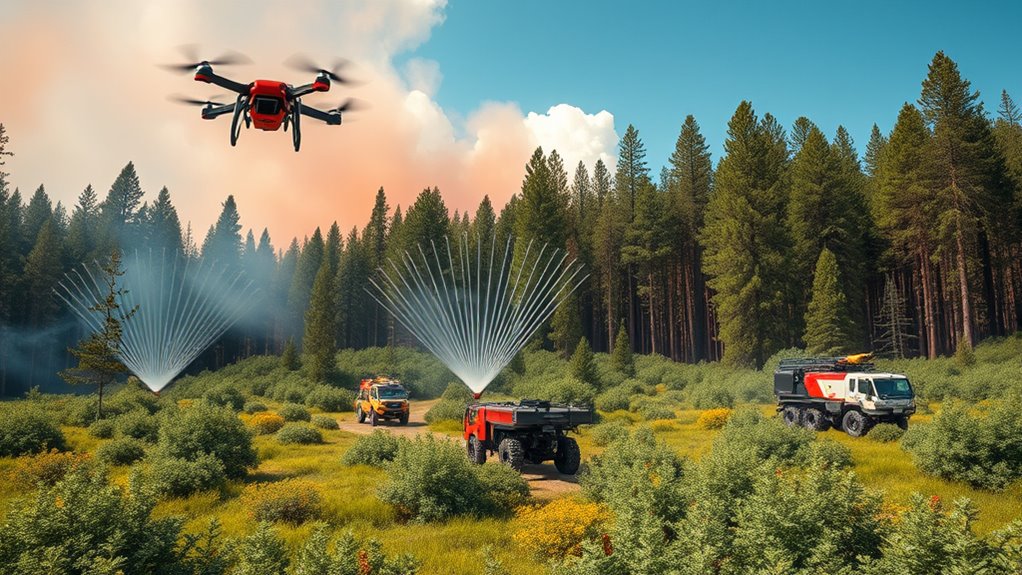
How is the rise of private firefighting changing wildfire management?
The increasing prevalence of private firefighting services is reshaping wildfire management and prevention strategies. These services are now crucial in addressing the growing fire risks associated with climate change, providing tailored prevention measures such as fire retardant gels and comprehensive fire risk assessments.
Coordination between private crews and public departments in places like California is essential for a unified firefighting approach.
- Insurers often integrate private firefighting services to promote proactive strategies.
- Collaboration between sectors enhances emergency response and resource allocation.
- Public funding is necessary to ensure equitable access to fire protection measures.
As wildfire management evolves, it’s important to explore the relationship between community-based solutions and public funding.
For deeper insights, see our guide on community engagement in wildfire prevention.
Conclusion
Private firefighting is transforming wildfire management through innovative techniques and collaboration with public services. By adopting these strategies, readers can enhance their community’s safety and resilience against wildfires, ensuring better protection for homes and livelihoods. Embracing this proactive approach not only mitigates risks but also fosters a sense of shared responsibility among residents and agencies. As we navigate the challenges of wildfire prevention, consider exploring more tips on effective fire management or reading a related guide to stay informed. Taking the first step towards preparedness can make all the difference in safeguarding our communities from the growing threat of wildfires.