You should check roof doors, hatches, locks, and signs for tampering, then inspect balconies and roof areas for burnt paper, plastic casings, and other firework debris. Photograph hazards, note dates, times, and locations, and keep a clear incident log for inspectors and trend tracking. During July 4th patrols, use reliable communication devices and report illegal fireworks and fire risks quickly to local authorities. A few extra steps can help you stay ahead of repeat problems.
Check Roof Access and Lock Points
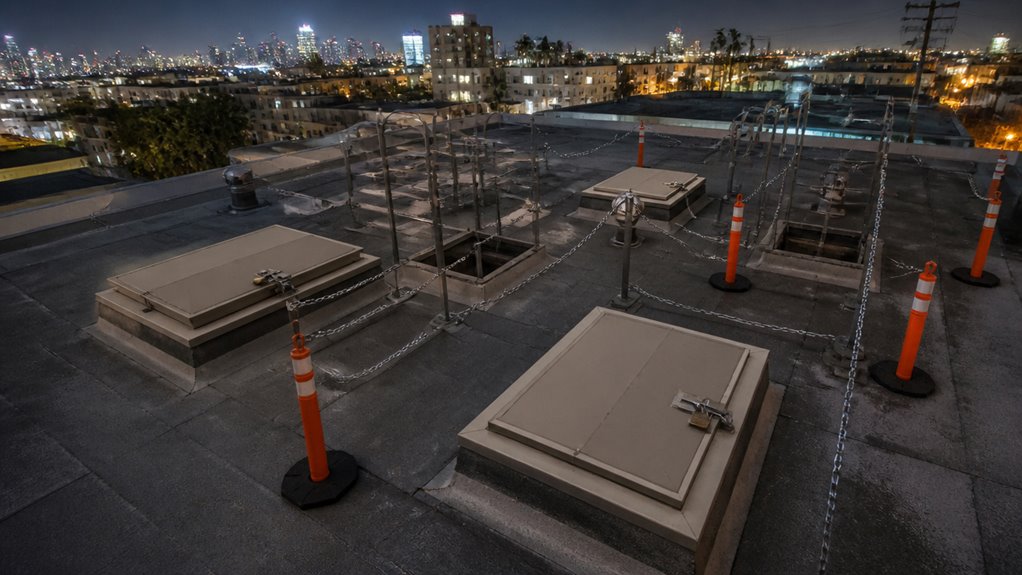
Start by checking every roof access point, including doors and hatches, to make sure they’re securely locked and resistant to tampering, especially during fireworks season when illegal access can increase.
Then inspect each lock and latch for wear, sticking, or damage, and replace any part that doesn’t work properly.
You should post clear signs at every roof access entry stating that access is restricted and that violations may bring legal consequences.
Keep the area monitored with periodic checks so you can spot signs of unauthorized entry early.
After each inspection, document what you found, note any concerns, and record any incidents of forced entry.
Good records help you track trends, support enforcement, and show you’ve taken reasonable steps to protect residents and the property.
For additional peace of mind, coordinate these efforts with routine inspections of fire protection systems, such as fire alarm testing and fire sprinkler maintenance.
Inspect Balconies for Firework Debris
Because balconies can collect evidence of nearby illegal fireworks use, inspect them regularly for burnt paper, plastic casings, and other residue that could create a fire hazard. You should check every unit balcony during roof patrols, especially after holidays or late-night activity. Look for ash, melted fragments, and powdery debris, then remove safe materials and note anything unusual. Photograph each finding so you can document possible illegal fireworks activity and share clear evidence with local authorities if needed. Ask residents to report debris on their balconies right away, since quick notice helps you protect the property and support compliance with local laws. Regular inspections also help you spot patterns, so you can take proactive steps to reduce repeat fire risks and keep the building safer overall. As part of ongoing fire code compliance, make sure any risky residue is cleaned up promptly and that the area is returned to a safe condition.
Spot Rooftop Firework Warning Signs
You should watch for rooftop access clues, like open doors, ladders, or groups gathering after dark, since these can signal illegal firework activity.
Check for firework gear signs, including spent casings, debris, smoke, or visible handling of mortars and other illegal items.
If you hear loud booms or spot brief flashes and unusual light in the sky outside approved displays, treat them as warning signs and report them promptly.
Rooftop Access Clues
When monitoring a roof for illegal firework activity, look for clear access clues that suggest someone is using the area without permission. You should inspect stairwells, doors, and roof hatches for signs of recent entry, then compare those clues with reports of noise, smoke, or flashes above. If you notice crowds gathering near nearby buildings, treat that as a possible indicator that fireworks are being launched from the roof. Check walkways and corners for discarded remnants or packaging, which can confirm prior illegal use. At night, watch for unusual lighting during holidays like the 4th of July. Also, listen for resident complaints and pet distress, since both often match roof activity and help you respond quickly. For additional protection, ensure your team coordinates rooftop observations with fire alarm systems and life safety procedures used in Los Angeles buildings.
Firework Gear Signs
Clear rooftop warning signs help stop illegal fireworks before they start, especially in apartment settings where roofs can become dangerous launch points.
You should post large, reflective signs at every roof entry and access path, so no one can miss that fireworks are illegal in the City. Include a clear reporting number, such as the San Dimas Sheriff’s Station at 909-450-2700, and state that violations can lead to fines and legal action.
Keep the message direct and easy to read from a distance. During regular rooftop inspections, check that signs stay intact, visible, and free of damage or debris.
When you reinforce the rule in writing, you make it harder for someone to claim ignorance and easier for residents to report suspicious activity quickly.
Smoke And Flash Alerts
Smoke and flash alerts can be the earliest rooftop warning signs of illegal fireworks activity. You should use smoke detection and visual checks to spot smoke rising from rooftops, especially during the Fourth of July and other peak celebrations.
Watch for sudden bright flashes in the sky after dark, since they often mean someone has launched unauthorized fireworks nearby. You should also listen for sharp pops or explosions, which can confirm activity in residential areas.
Patrol rooftop access points more often during these periods, because violators may use them to stay out of public view. Encourage residents to report smoke or flash alerts right away to local law enforcement.
Quick reporting helps you respond faster, protect tenants, and reduce fire risk.
Document Hazards for Fire Inspectors
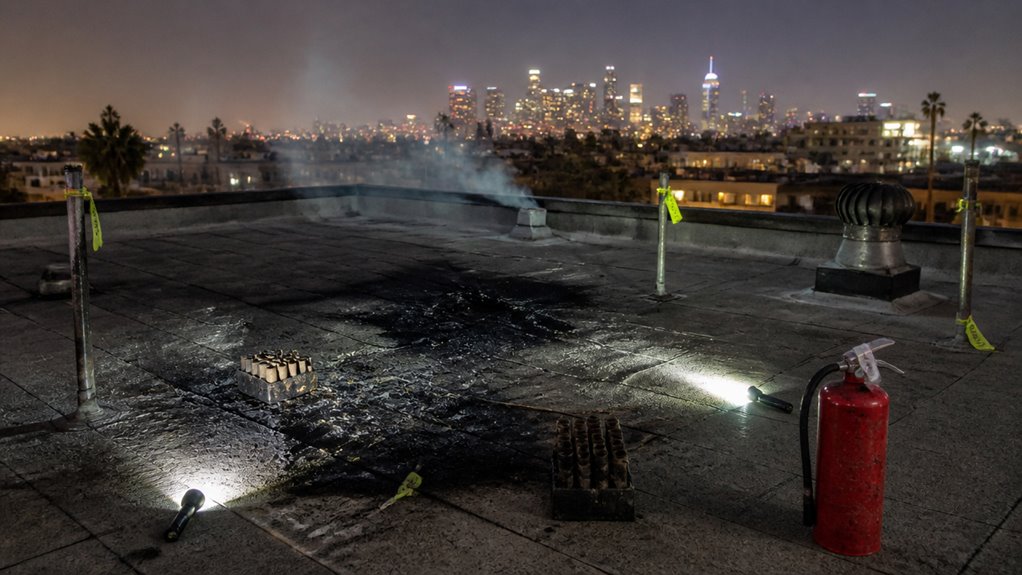
You should document roof hazards with clear, dated notes that show where illegal fireworks activity occurred and what materials could be at risk.
Take photos of debris, packaging, burn marks, and any flammable items on the roof, so inspectors can verify the hazard quickly.
Keep an inspector-ready log of resident complaints and related observations, because organized records help fire authorities spot patterns and respond with the right enforcement actions.
Roof Hazard Documentation
When inspecting a roof for illegal fireworks risk, document every visible hazard in detail so fire inspectors have a clear record of conditions that could worsen a fire.
Note flammable materials, loose debris, and cracked surfaces, because each can help flames spread. Check roof access points, and record whether doors, ladders, or gates are secure and monitored.
Also identify nearby buildings, balconies, or utility structures that could be exposed to aerial fireworks, and measure how close they sit.
Log the location and condition of fire safety equipment, including extinguishers and alarms, so responders know what’s available.
Keep a brief history of prior inspections and any fireworks incidents on file.
Clear roof hazard notes help inspectors assess illegal fireworks exposure fast and recommend effective controls.
Inspector-Ready Evidence Logs
After documenting roof hazards, keep inspector-ready evidence logs that show exactly where illegal fireworks activity occurred and what conditions it created.
You should note each incident’s date, time, and precise location, so fire inspectors can identify repeat problem areas quickly.
Add clear photos of illegal fireworks use, nearby debris, and any damage, then label each file by date and location.
Record resident complaints and concerns, because repeated reports can reveal a pattern inspectors need to review.
Also list singed vegetation, scorch marks, broken fixtures, or other fire hazards tied to the activity.
Keep every log secure, organized, and easy to access, since inspectors may ask for them during follow-up visits or compliance checks.
Accurate records help you support faster, safer inspections and corrective action.
Report Illegal Fireworks Fast
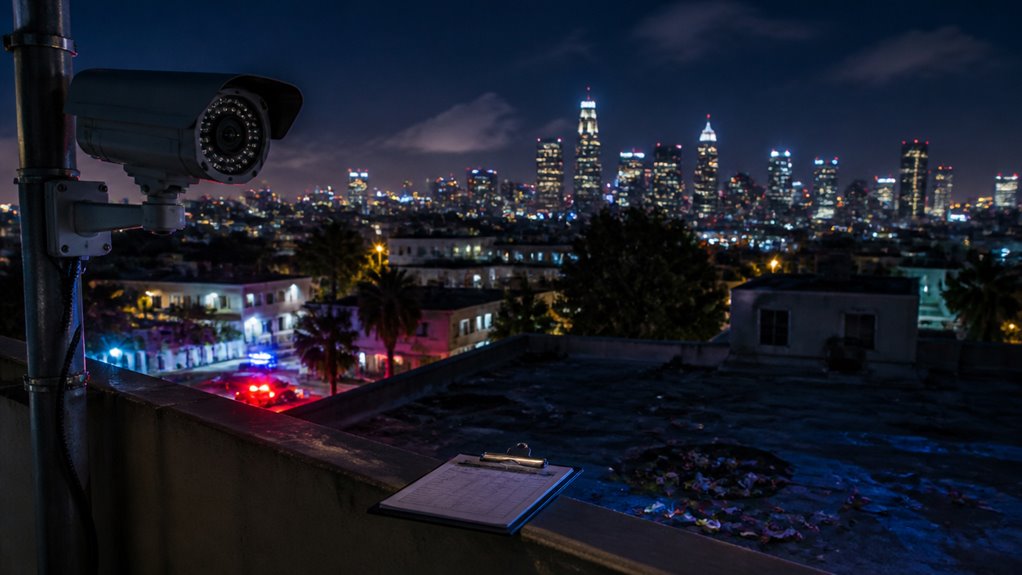
To help law enforcement respond quickly, report illegal fireworks in Los Angeles as soon as possible by calling the San Dimas Sheriff’s Station at 909-450-2700, where dispatchers handle both regular and fireworks-related calls.
When you report illegal fireworks, give the time, location, and a brief description of what you saw. You can stay anonymous, so you can document activity without worrying about confrontation.
During fireworks events, call volumes may rise, so you may need patience while your report enters the queue.
Prompt reporting helps officers spot patterns, address violations, and protect residents, pets, and nearby structures from fires, injuries, and stress.
Fast reporting also strengthens community safety efforts and gives law enforcement the details it needs to act efficiently.
Plan a July 4 Roof Patrol
Because fireworks activity typically peaks on the evening of July 4th, schedule your roof patrol during those high-risk hours so you can watch for illegal use near the apartment complex.
Brief your patrol team on illegal fireworks such as cherry bombs and mortars, and make sure each member carries a working communication device. If you spot activity, call the San Dimas Sheriff’s Station at 909-450-2700 right away.
Also notify the Los Angeles Fire Department if you see a fire risk. Record the exact location, time, and firework type so you can support follow-up reports.
Coordinate with neighboring managers and local law enforcement to improve visibility around shared boundaries. A planned patrol helps you detect violations quickly, reduce ignition risks, and strengthen community safety during the holiday.
Frequently Asked Questions
What Is the Fine for Illegal Fireworks in Los Angeles?
In Los Angeles, you can face fines for illegal fireworks that often exceed $1,000, especially if you possess or sell items like M80s, cherry bombs, or mortars.
Repeat violations can lead to criminal charges and possible jail time.
For Fireworks Safety, you should report illegal activity quickly, because enforcement protects people, property, and fire protection systems while supporting the city’s zero-tolerance policy.
How to Stop Neighbors From Setting off Fireworks?
You can stop neighbors by combining Community Engagement with clear reporting and visible enforcement.
Talk with residents, explain that fireworks are illegal in Los Angeles County, and share the local sheriff station’s reporting number.
Ask for increased patrols during high-risk dates, and promote legal public displays instead.
You should also document incidents, protect fire exits, and remind neighbors that fireworks can damage property, trigger alarms, and endanger pets and people.
What Happens if You Get Caught With Illegal Fireworks in California?
Caught with illegal fireworks in California, you can face heavy fines, misdemeanor charges, and even jail time.
Firework Safety isn’t optional; it’s the line between caution and catastrophe. Officers may seize the fireworks, and prosecutors can pursue penalties from $500 to $50,000, depending on the offense.
If you possess items like M80s or bottle rockets, you could also trigger criminal charges under the state’s zero-tolerance rules and fire code.
What Is the Penal Code for Illegal Fireworks in California?
The penal code you’re looking for is California Penal Code § 12677, which bans illegal fireworks.
You should know it covers fireworks that explode, emit flames, or travel through the air without legal approval.
Fireworks Safety matters because violations can bring heavy fines and jail time.
You must follow state law, and local rules may add penalties.
Check permits before you buy, store, or use any aerial fireworks.
Wrapping It Up
By following this roof patrol checklist, you can catch illegal fireworks risks before they turn a quiet apartment building into a full-blown emergency headline. Check access points, scan balconies, look for warning signs, document everything, and report hazards quickly. A careful July 4 patrol helps you protect residents, reduce fire damage, and support fire inspectors. Stay alert, stay organized, and you’ll make your property a far tougher target for dangerous celebrations.