Use a summer perimeter sweep SOP to inspect gates, doors, windows, fencing, landscaping, locks, cameras, and emergency exits for gaps, damage, or blind spots. Treat popping or crackling near campus as a fireworks intrusion risk, report it fast, and initiate a soft lockdown if needed. Document exact locations, photos, and repair urgency in a standard form, then rank fixes by safety impact. Keep checking through summer, and you’ll see how to tighten each layer further.
Summer Perimeter Sweep Checklist for Schools
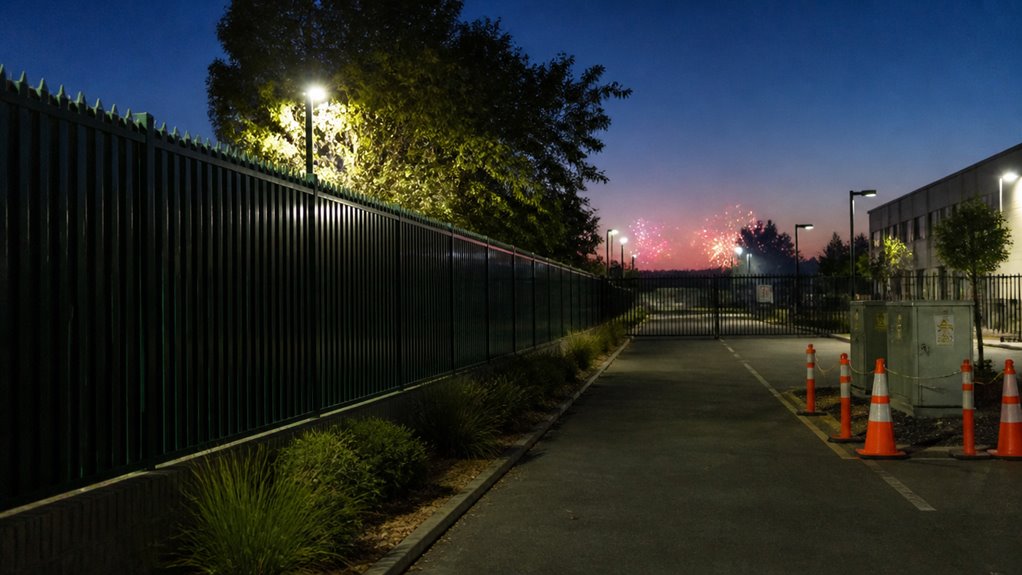
A careful summer perimeter sweep helps school leaders identify weak points before the new year begins. You should inspect every gate, door, and window to confirm they close, secure, and operate correctly.
Check fencing and landscaping for gaps, damage, or overgrowth that could support unauthorized access. Test your security system, verify camera coverage, and fix blind spots so all access points stay visible.
Make sure emergency exits remain clear, accessible for evacuation, and protected against re-entry when needed. Record each finding, then rank repairs and upgrades by risk and impact on School Safety.
This checklist strengthens your campus perimeter, supports emergency response, and gives you a practical plan before students return. Also, confirm that any fire alarm testing and monitoring-related components are functioning properly so early detection is reliable during the summer.
Spotting Fireworks Intrusion Risks
During a summer perimeter sweep, you should treat fireworks activity near the campus as both a fire hazard and a security concern.
When you hear popping, whistling, or crackling near the perimeter, check whether nearby fields, streets, or neighboring lots are the source. Fireworks can start fires, trigger injuries, and disrupt summer safety routines. They can also draw unauthorized people toward campus boundaries, which raises the risk of security breaches.
You should train staff and students to recognize the sounds and flashes of fireworks and report them quickly. Use surveillance along the perimeter to watch for suspicious use, especially during holidays or local events. If a fire is suspected, prioritize immediate evacuation and follow your Family Fire Evacuation Plan procedures.
Summer Perimeter Sweep Safety Steps
At the start of summer, conduct a full perimeter sweep to find and correct weak spots in fencing, landscaping, and lighting that could allow unauthorized access.
During this perimeter sweep, check every gate, door, and service entrance to confirm locks work and access control systems meet your security needs.
Inspect surveillance cameras for correct placement, clear coverage, and any blind spots that could weaken protection.
Record each issue you find, then fix it right away by repairing broken locks, trimming overgrown plants, replacing faulty lights, or repositioning cameras.
After the first review, schedule regular follow-up checks throughout the summer so you can catch new concerns early.
This routine helps you maintain a secure campus, reduce entry risks, and support consistent summer safety.
Add a fire risk assessment so you can spot potential ignition sources around perimeter areas and address them before events like fireworks increase danger.
Staff Response to Fireworks Intrusions
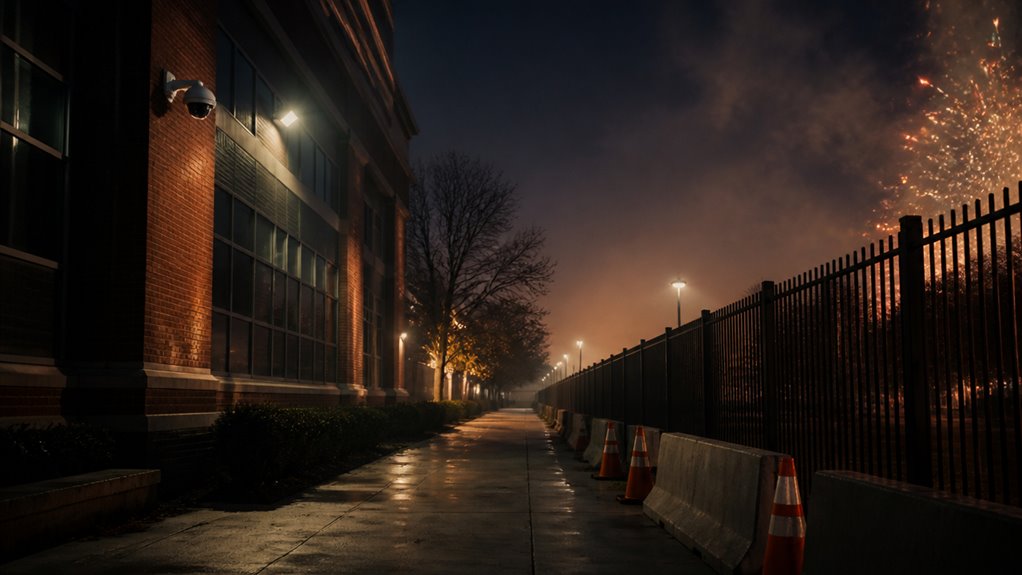
Once the perimeter checks are complete, staff still need to stay alert for any fireworks-related disturbance near the campus and report it right away to the school resource officer or designated safety personnel.
You’re trained to recognize the sound, sight, and risk signs, so act fast and stay calm.
- Report the intrusion immediately.
- Start a soft lockdown.
- Keep staff and students indoors and secure.
- Use public address messages to give clear instructions.
These safety measures support emergency readiness and help you protect everyone until the situation is stable.
After the event, you’ll join a debriefing to review how well the response worked and what can improve next time.
How to Document Perimeter Gaps and Repairs
A thorough perimeter sweep is the first step in documenting gaps and repairs, because it helps you identify damaged fencing, broken locks, poor lighting, and other vulnerabilities that could affect campus safety.
After you spot each issue, record the exact location, describe the damage, and take clear photos for later review. Use a standardized form to note the repair needed, the urgency level, and any safety risks tied to the gap. This keeps your perimeter records consistent and easy to compare.
Then rank the repairs by severity, so you can address high-risk areas first and support school safety.
Finally, compile everything into a report for administrators. Your report helps them make informed decisions, set budgets, and schedule needed improvements promptly.
Frequently Asked Questions
What Are the 5 Actions for the Standard Response Protocol?
You use five actions: Evacuation, Lockdown, Shelter-in, Shelter-in-Place, and Hold.
During Emergency drills, you practice each one, check Safety equipment, and confirm everyone knows where to go.
Evacuation moves you out quickly, Lockdown secures you from danger, Shelter-in keeps you inside, Shelter-in-Place protects you from environmental hazards, and Hold pauses movement.
Clear Parent communication helps you share updates and keep families informed.
What Is a Secure Protocol for Schools?
A secure protocol for schools uses layered protection, and you’ll need Visitor access controls, Secure communication strategies, and Emergency training drills.
You should verify IDs, lock entry points, and monitor perimeters for gaps or blind spots.
You’ll also train staff and students for lockdowns and evacuations, then coordinate with local law enforcement and follow safety regulations.
This approach reduces unauthorized access and supports faster, more reliable emergency response.
What Is the Soft Lockdown Procedure?
A soft lockdown keeps you and others inside classrooms while you secure doors, windows, and entry points, then wait for admin directions.
You’ll hear emergency communication twice over the PA, and teachers should take attendance right away to confirm everyone’s safe.
You must follow campus instructions until the all-clear.
Safety drills help you understand this process, so you can respond quickly, stay calm, and protect people without disrupting the school day.
What Is the General Response Protocol in NYC DOE?
NYC DOE’s General Response Protocol guides you through emergencies with evacuation, lockdown, or shelter-in-place steps.
100% of schools practice drills to build emergency readiness. You follow clear communication strategies, account for everyone, and wait for first responders.
This protocol supports student safety by giving staff and students age-appropriate training. Plus, parents get copies so you can reinforce the same procedures at home and stay prepared together.
Wrapping It Up
When you complete a summer perimeter sweep, you lower the chance that fireworks can enter campus and trigger a fire. For example, if you find a broken fence panel near a storage shed, a quick repair can stop students or intruders from tossing fireworks inside. Keep documenting gaps, notify maintenance right away, and verify the fix. These simple steps help you protect buildings, reduce risk, and keep your school’s fire safety systems ready to respond.