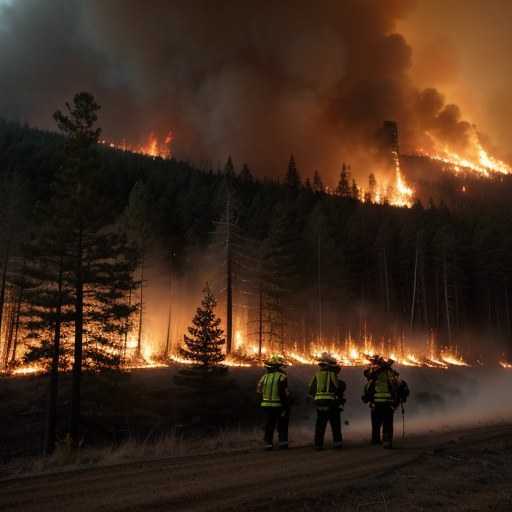
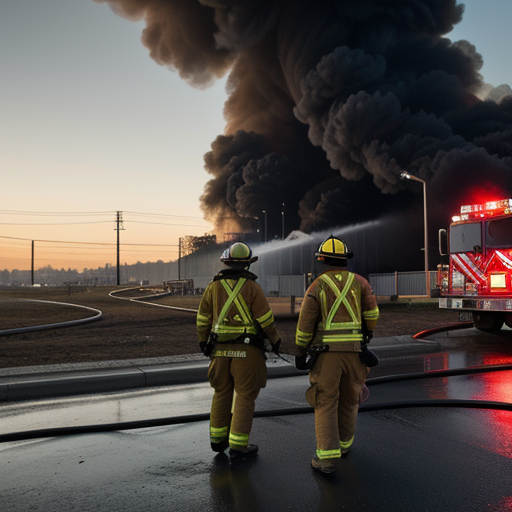
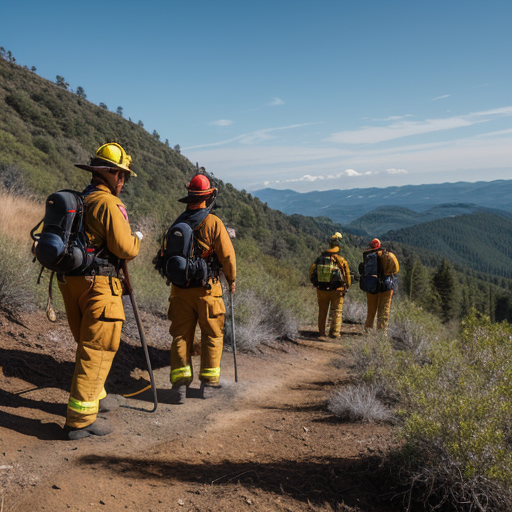
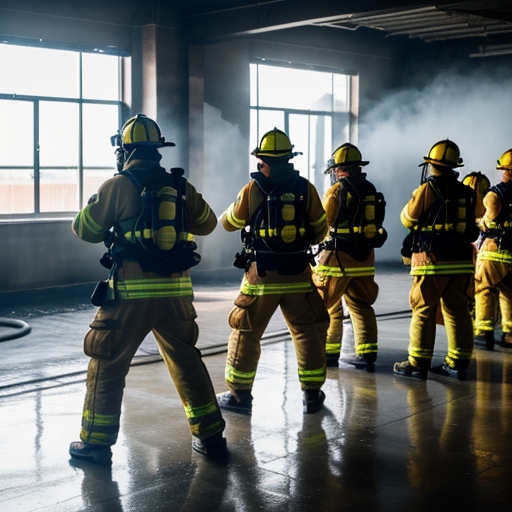
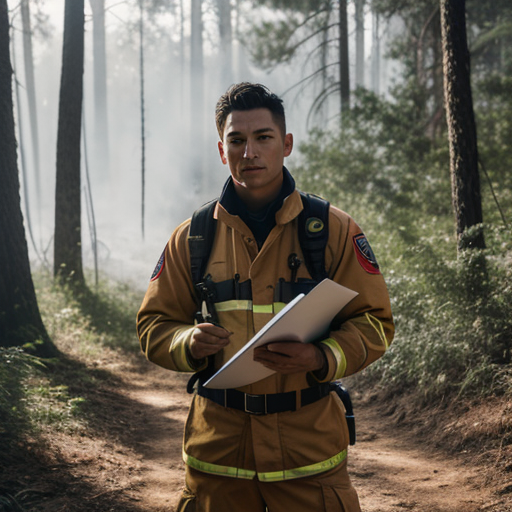
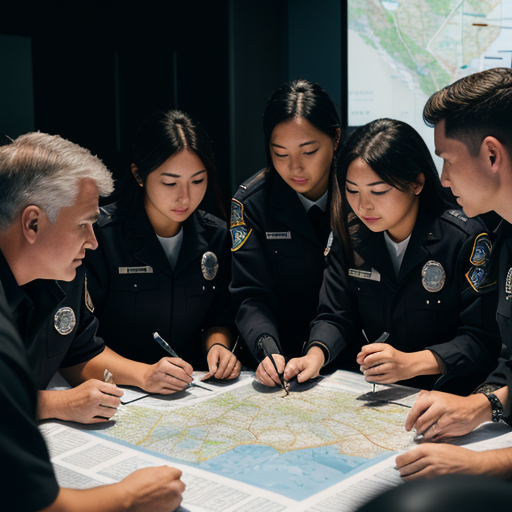
Los Angeles, with its vast expanse of wilderness and Mediterranean climate, is unfortunately predisposed to frequent and severe wildfires, with factors such as high temperatures, low humidity, and Santa Ana winds exacerbating the issue. The impacts of these fires are far-reaching, including loss of homes, wildlife habitats, and human lives, as well as having a significant economic impact. Thus, wildfire prevention is a matter of paramount importance for Los Angeles. Not only is it crucial to immediately address the ongoing crisis, but also to develop and implement sustainable prevention strategies on a long-term basis.
Understanding the Threat
Los Angeles has a volatile combination of dense urban development bordering vast areas of dry wildland, also known as the Wildland Urban Interface (WUI), which makes fire control difficult. Combined with the rapidly escalating effects of climate change, the need for efficient wildfire prevention has never been more critical. Understanding the dynamics of wildfires and their causative agents is the first step in this process. Approximately 84% of wildfires are caused by human activity, thus increasing the importance of public awareness and responsible behavior.
Wildfire Prevention Measures
In California, wildfire prevention is a shared responsibility among the local government, firefighting agencies, and the community. Several measures have been adopted over the years, which involve a multi-tier approach that includes education, planning, and mitigation.
Public education
Educating the public about the behavior of wildfires and preventive measures is crucial. Public education campaigns such as “One Less Spark, One Less Wildfire” aim to educate the public on the consequences of loose chains, vehicle exhaust, campfires and other possible fire starters.
Urban Planning
Wildfire-resistant urban planning is a preventive measure that is gaining popularity. This involves using fire-resistant materials in construction, creating defensible spaces around structures, and landscaping with fire-resistant species.
Prescribed Fires
Prescribed fires, also known as controlled burns, are used to reduce excess vegetation, which serves as fuel for wildfires. The practice is also used to create fuel breaks, where vegetation has been removed or disrupted to halt or slow the progress of a wildfire.
Conclusion
Given the increasing prevalence and severity of wildfires in Los Angeles, it is clear that an aggressive approach to prevention is needed. A comprehensive wildfire prevention strategy should encompass public education, urban planning measures, and vegetation management, including controlled burns. Firefighting agencies, local government, and communities must work together to reduce the risk of wildfires and ensure the safety and health of residents and the environment. Following these guidelines for wildfire prevention is in everyone’s interest, as it not only reduces the risk and severity of wildfires, but also preserves the natural beauty that makes Los Angeles unique. At the end of the day, wildfire prevention isn’t just about protecting property; it’s about safeguarding our lives, our communities, and our collective future.