During a heat-driven outage, you should follow staff directions, avoid elevators, use stairs, and conserve phone battery with flashlights. Activate your emergency plan, assign trained staff to guide guests, and keep cooling areas, emergency lighting, and communications online. If fire alarms or other life-safety systems are impaired, notify guests, post evacuation instructions, and maintain watch until repairs are confirmed. After power returns, inspect HVAC, alarms, refrigeration, and electrical systems before resuming normal service, and more details follow.
First Steps During a Hotel Power Outage

When a hotel loses power, you should stay calm and follow the instructions hotel staff provide so everyone can remain safe and orderly.
During power outages, keep doors and windows closed to preserve indoor temperatures and reduce discomfort. Don’t use elevators, since they may stop working; use stairs instead and move carefully.
Rely on flashlights, not cell phones, so you can conserve battery life and still see clearly. If emergency lighting is available, use it to orient yourself and travel safely through hallways.
Your focus should stay on guest safety and steady movement. Staff will give regular updates about the outage, restoration efforts, and any available amenities, so listen closely and follow their directions until normal service returns.
As part of your fire safety plan, confirm that you know the nearest exit routes from your room.
Activate Guest Safety Procedures
Activate the hotel’s emergency response plan immediately so staff can communicate clear safety instructions and keep guests informed during the outage.
You should assign trained employees to guide guests, check exits, and address concerns with calm, direct language.
Activate backup generators to support emergency lighting and HVAC systems, which helps maintain guest comfort and safe movement in key areas.
Use flashlights instead of cell phones so you can conserve power and point guests toward evacuation routes, stairwells, and shelter locations.
Review safety regulations before directing anyone, and make sure your actions match approved procedures.
You should also monitor conditions closely, since changing heat levels or equipment issues can create new hazards.
Regular training helps you respond quickly, reduce confusion, and protect everyone until normal service returns.
Ensure fire alarm systems are not relied on without verification during the outage and impairment event.
Keep Guests Updated Clearly
You should give guests timely status updates during a heat-driven outage so they know what’s happening and when service may return.
Use in-person announcements, text messages, and posted notices, and direct everyone to the front desk for questions and updates.
Explain the clear next steps, including safety guidance and any resources available, so guests can respond calmly and stay informed.
These timely alerts support timely evacuation and help reduce confusion during critical situations.
Status Updates
During a heat-driven power outage, staff should keep guests updated in real time on power restoration efforts and which services are still available, because clear information helps reduce anxiety and maintain comfort.
You should receive status updates through in-person announcements, text messages, or posted notices, so communication stays consistent and your guest experience remains stable.
If the outage lasts longer than expected, updates every 30 minutes help you understand what’s happening and build trust.
Staff should also point you to a single contact, such as the front desk, for questions about the outage.
When alarms are impaired, emergency lighting and audible alerts can support awareness, making it easier for you to stay informed without confusion.
Clear Next Steps
Clear next steps help guests stay calm and make safe choices when a heat-driven power outage affects the hotel. You should tell each guest what happens next, how long the outage may last, and where to get help.
Use in-person announcements, SMS alerts, and posted notices so no one misses the message. Point guests to backup cooling, water, and other emergency supplies, and explain how backup power affects lights, elevators, and alarms.
Give clear safety instructions, including emergency exits and emergency lighting. Name one staff contact for questions, so guest concerns reach the right person quickly.
Repeat updates often, even when there’s no new information, because steady communication supports safety and reduces confusion during the outage.
Manage Elevators and Heat Risks
When a heat-driven power outage shuts down elevator service, hotels need a backup plan that protects guests on upper floors and keeps them informed. You should treat elevators as a priority hazard because guests with disabilities or mobility limits may need direct help.
- Assign staff to escort or carry out assisted evacuations from upper floors.
- Set up cooling stations with backup power to reduce heat risks and support safety and comfort.
- Give regular updates on repair timing and alternate routes.
- Drill these procedures often so staff can respond fast and correctly.
You’ll also want clear records of who still needs assistance, so no guest gets overlooked during the outage.
Respond to Fire Alarm Impairments
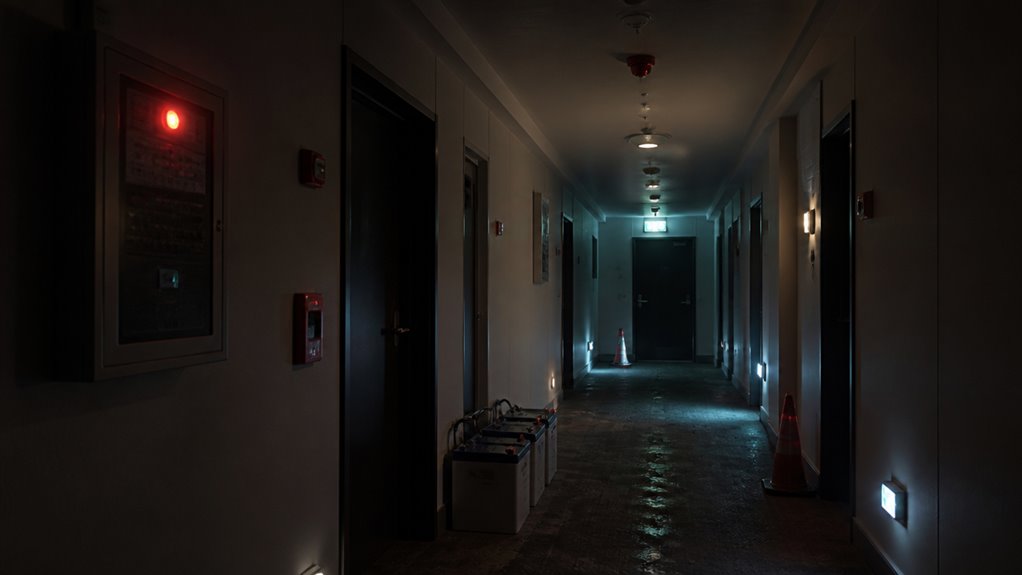
You should detect any fire alarm impairment right away, especially after a heat-related power outage, and confirm which devices aren’t operating.
Then you need to notify guests immediately, explain the situation clearly, and share the safety steps they should follow.
While you correct the issue, activate backup systems such as manual call points or visual alerts so fire protection stays in place.
Detect Alarm Impairment
Fire alarm impairments can put guests and staff at serious risk, so hotel teams need to spot problems quickly and respond without delay.
To detect alarm impairment, you should protect Safety and Security by checking essential systems on a set schedule.
- Test alarms and smoke detectors monthly, and complete annual inspections.
- Train staff to notice weak tones, missing signals, or failed drill activations.
- Use a reporting system so you can log any suspected fault fast.
- Inspect batteries, updates, and visual indicators for hearing-impaired guests.
When you find a problem, document it, confirm the affected area, and send it to management at once.
Routine checks help you catch failures before an emergency and keep your alert systems ready.
Notify Guests Immediately
Because guest safety depends on fast communication, notify guests immediately if a fire alarm impairment occurs. You should explain that the security systems are compromised, so guests need to stay alert and follow staff direction.
Give clear evacuation instructions, including routes, assembly points, and any alternate safety measures you’ve established. Keep communication open, and update guests often on the alarm status and any safety checks in progress.
Make sure emergency lighting and exit signs stay visible so people can move safely during the outage. Train staff to answer questions, relay essential services information, and assist guests who need help.
When you notify guests quickly and clearly, you reduce confusion, support safe movement, and reinforce your hotel’s commitment to fire protection and guest safety.
Activate Backup Systems
Activate backup systems immediately when a fire alarm impairment occurs so essential safety functions stay in place.
You should keep emergency lighting and illuminated exit signs operating, and you must connect fire alarms and sprinklers to backup power during any heat-driven outage.
Strong fire protection depends on fast action, clear roles, and reliable equipment.
- Activate backup power without delay.
- Verify alarms, sprinklers, and exit signs stay active.
- Use a clear staff communication protocol.
- Train staff and test systems regularly per NFPA guidance.
When you maintain and test these backup systems, you reduce failures and support guest safety.
You also improve compliance, because trained staff can respond quickly and keep the building protected until full service returns.
Power Critical Hotel Systems
A hotel’s backup power plan should prioritize the systems that protect guests, preserve operations, and support emergency response.
When the power grid fails, you need reliable power for emergency lighting, fire alarm and life safety systems, and the front desk reservation system. You also need HVAC running so guest rooms stay safe in extreme heat.
Backup generators should keep security cameras and access control active, because these systems help you monitor movement and protect entries.
Kitchen refrigeration also needs power to prevent spoilage and support health standards.
Wi-Fi and communication tools should stay online too, so you can coordinate staff and serve guests without delay.
Check Systems After Power Returns
Once power returns, wait for official confirmation before reconnecting appliances so you don’t expose equipment to harmful electrical surges.
Then inspect every system before you reopen full service. Confirm that lighting, HVAC, and fire safety devices work correctly, because Security depends on reliable alarms and clear exits.
- Check refrigerators and freezers, and discard food that stayed above safe temperatures for more than two hours.
- Test outlets, panels, and the continuous power supply for damage or overloads.
- Report any malfunction or visible damage to maintenance right away, so repairs start fast.
- Restock batteries and non-perishable food to prepare for the next outage.
You should log each result, then monitor systems closely during the first hours after restoration.
Frequently Asked Questions
What Is the 5’10 Rule in Hotels?
The 5’10 Rule means you should acknowledge guests within 5 feet and greet them within 10 feet. It supports guest comfort by making people feel seen and valued, and it improves service consistency.
In hotels, staff training often includes this standard, so teams respond promptly and communicate clearly.
Strong emergency preparedness also benefits, because attentive staff can notice concerns early and guide guests during safety events or equipment failures.
How Do You Ensure Guest Safety and Security in a Hotel?
A hotel is like a ship in a storm: one outage can test every system. You guarantee guest safety by keeping fire protection systems working, training staff through emergency response training, and posting clear evacuation procedures.
Use guest communication protocols to explain risks fast, maintain backup power for alarms and lights, and stock flashlights, exit maps, and emergency contacts in every room.
Regular drills help you respond quickly and protect guests.
What Do Hotels Do When There Is a Power Outage?
When you have a power outage, hotels switch to backup generators for emergency lighting, HVAC, and key security systems.
Staff use emergency lighting protocols to guide you safely, and they keep elevators out of service until power returns.
They rely on guest communication strategies to share updates and instructions, while staff training procedures help them respond quickly, assist you on upper floors, and coordinate with emergency services if needed.
Why Would You Put Tape Over Outlets in a Hotel Room?
Like a road closed sign, tape over outlets tells you to stay clear. You use it for outlet safety measures during outages, leaks, or damaged wiring, so guests don’t plug in devices or cause surges when power returns.
It also supports guest awareness training and helps staff mark disabled outlets fast. In emergency preparedness kits, you can include tape as a simple fire protection tool.
Wrapping It Up
When the lights go out, you need a calm, tested plan that keeps guests safe and operations moving. You’ve learned how to manage heat, elevators, alarms, and critical systems without missing a beat. Treat each outage like a rehearsal for the real event, because readiness is the backbone of safety. By checking systems quickly and communicating clearly, you help your hotel stay steady, even when the grid falters and conditions heat up.